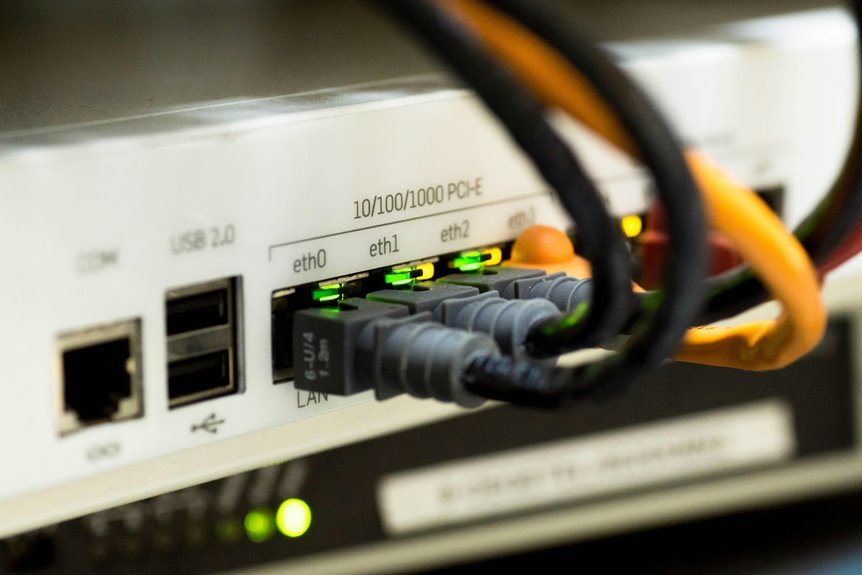
Advanced Internet Infrastructure 4073168550 serves as a foundational element for societal stability. It ensures reliable connectivity, which is crucial in an increasingly digital world. Key technologies, such as fiber optics and network virtualization, enhance bandwidth and security. This infrastructure not only supports essential services but also accommodates the demands of remote work and streaming. Understanding its implications raises questions about future developments in this critical sector. What trends will shape its evolution?
The Importance of Advanced Internet Infrastructure for Stability
While the digital landscape continues to evolve, the significance of advanced internet infrastructure for societal stability cannot be overstated.
Robust internet resilience ensures uninterrupted access to vital services, while enhanced connectivity security protects against threats that can destabilize communities.
As societies increasingly rely on digital frameworks, the need for reliable infrastructures becomes paramount, safeguarding freedom and fostering a secure environment for growth and innovation.
Key Technologies Driving Enhanced Connectivity and Performance
A diverse array of technologies is instrumental in enhancing connectivity and performance within modern internet infrastructure.
Fiber optics significantly increase data transfer speeds and bandwidth capacity, facilitating rapid information exchange.
Additionally, network virtualization optimizes resource utilization and scalability, allowing for dynamic allocation of network resources.
Together, these technologies create a robust framework that supports the growing demands for efficient and reliable internet connectivity.
How Does Advanced Infrastructure Support Remote Work and Streaming?
Advanced internet infrastructure plays a crucial role in supporting both remote work and streaming services, effectively accommodating the increasing demands for bandwidth and low latency.
By optimizing data transfer rates and enhancing connectivity, it facilitates seamless remote collaboration and ensures high streaming quality.
This technological framework empowers users to engage efficiently, contributing to productivity and satisfaction in an increasingly digital landscape.
Future Trends in Internet Infrastructure for Continuous Stability
The ongoing evolution of internet infrastructure is set to address the growing demands for continuous stability in connectivity and data transfer.
Future trends indicate a shift towards quantum networking, which promises enhanced security and speed.
Additionally, the adoption of decentralized systems will empower users, reducing reliance on centralized entities and increasing resilience, thereby fostering an environment conducive to innovative applications and unimpeded freedom online.
Conclusion
In conclusion, the theory that advanced internet infrastructure is pivotal for societal stability is substantiated by its capacity to bolster connectivity and resilience against disruptions. By integrating technologies such as fiber optics and network virtualization, this infrastructure not only meets the escalating demand for bandwidth but also fortifies economic growth and innovation. As digital reliance deepens, the robust framework provided by advanced internet infrastructure is indispensable for sustaining stability in an increasingly interconnected world.